Day in the Life of John Meadows Part 2
by John Meadows on March 25, 2014https://www.youtube.com/watch?v=Z20MIg8X6zA



https://www.youtube.com/watch?v=Z20MIg8X6zA
https://www.youtube.com/watch?v=4iRSHKOnlPw
I am honored to have Ian King for our expert interview this month. Ian has been around a long time, and his philosophies and methods have stood the test of time, and he continues to be a great source of information. Ian tell us a little bit about yourself and how you became so passionate in this field?

I think it’s better to get nutrition from foods than supplements, but there is also room for supplementation. In general, I don’t think poor absorption of nutrients from supplements is the primary reason for this. The major problem, rather, is that the interactions between nutrients are complex and whole foods are most likely far more than the sums of their parts.
I know a lot of highly qualified trainers that just can’t seem to get or retain clients. It’s not that they lack the knowledge required to help people reach their goals, but they seem to lack the communication skills. Something just seems to be missing. Talk to me about the psychology of training athletes/clients. How important is a trainer’s communication skills compared to his/her understanding of exercise science and program design?
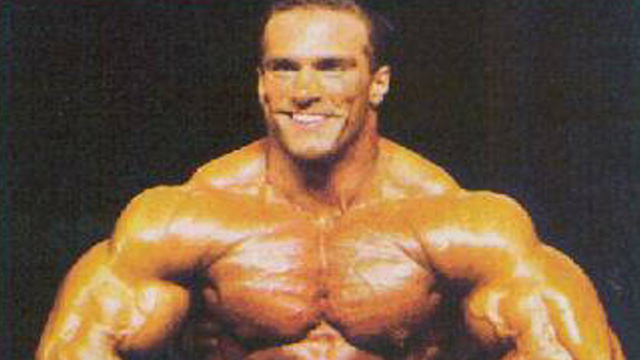
I am very pleased to have this month’s feature interview be with the one and only Mike Francois. Mike is viewed by many to have been an uncrowned Mr. Olympia. To those here in Columbus, Ohio, Mike is also known as a highly intelligent, character driven man that we all aspire to be like. Mike, can you tell us a little about your background and how you actually got into the sport of bodybuilding, I think it might surprise many of my readers!
I’m originally from Moscow, Russia, but I’ve lived most of my life in the U.S. I started lifting weights in high school to get stronger for wrestling (I was in the 103lb class my freshman year!), but pretty soon I was more into lifting than I was into wrestling. By early undergrad I weighed 200lbs, and I was quite the bench presser, so a martial arts mentor of mine talked me into competing in powerlifting. I loved powerlifting, and was competitive until around 2007, when I started reading bodybuilding magazines.
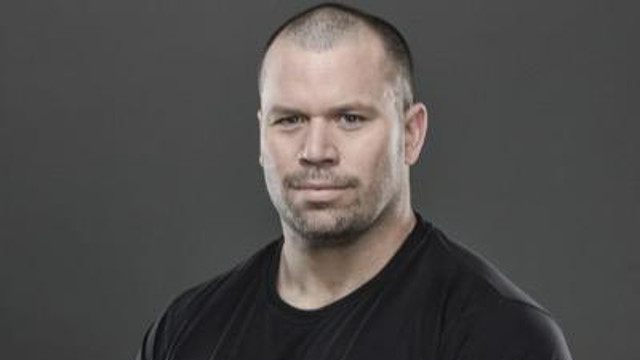
My passion is coaching hardcore iron heads. I train some of the strongest and most muscular athletes in the world in person at Metroflex Gym in Arlington, Texas, and via the Internet. I have Master’s degree in Exercise Science. I did my first powerlifting meet at 14 years old. Even though football and track were my primary sports in high school, I always lifted heavy and trained like a powerlifter.
I am very happy to have this month’s expert interview with John Ivy. John is the former Department Chair of Kinesiology and Health Education and Professor Emeritus at the University of Texas. He has had over 170 research papers and review articles published. He also still has his research lab and continues to work with graduate students. John is an expert in nutrient timing, which as you all know is near and dear to my heart. Most importantly, I have a feeling we are all going to learn a thing or two from this discussion!
https://www.youtube.com/watch?v=TYz5FA7spcs
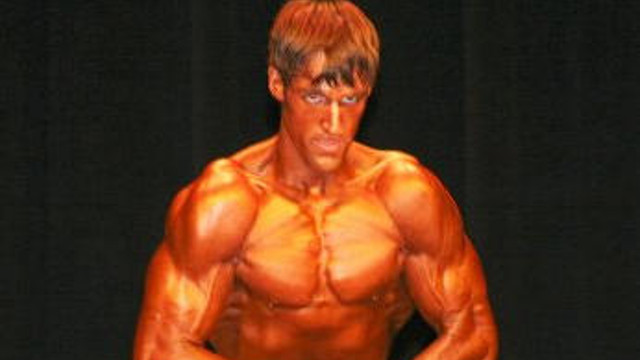
I basically began training to get stronger for wrestling back in high school. I started looking through all of the muscle magazines for tips to get bigger and stronger and that’s how I came across the sport of bodybuilding. After digging a little deeper I came across the articles of Layne Norton and that’s really who turned me onto science and natural bodybuilding.
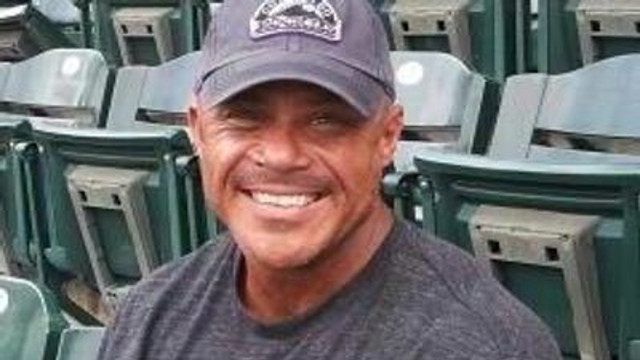
I have been training or about 28 years, competing for about 20 and working to get bodybuilders into top condition for almost 12 years.
I started out like most others by falling in love with the sport at a young age and wanting to be as big and ripped as I could be.
http://www.youtube.com/watch?v=V627l-_uz0E

I am excited to announce we have the well know Dr. Layne Norton with us this month for our expert interview. Layne is well known in our industry and is an impressive combination of text book smart, and street smart. This guy trains his butt off and also has a really cool educational background I will let him share with you.
The pump is not essential to hypertrophy per se–there is little doubt you can increase size without training for the pump. But there is compelling evidence that it enhances muscle growth and thus may be important for maximizing hypertrophy. The pump is basically an increase in hydration of the muscle fiber.
I’m one of the few practitioners who bridges the gap between academia and practitioner. My primary area of expertise is in optimizing body composition (increasing muscle development and decreasing body fat), but I have diverse interests that span a wide array of fitness topics.
How about concentric loading? I don’t know that I have an opinion on this yet, so I am open to you swaying me! Here is an example of something I love doing. Grab a rope with one hand, and pull a sled simulating a low row. You can “explode” and then as the weight comes to the end of a slide, just step back and repeat. There is no eccentric element at all. I think of it in terms that I am adding to the workload, without killing CNS. I have not built this into any of my programs yet though, as I haven’t done it for a long enough period of time, to see a long term effect.
http://www.youtube.com/watch?v=Ixfdgx93Mrw
I am extremely excited to announce that this month we have the creator of the very famous and successful carb-backloading style of eating, John “dangerously hardcore” Kiefer! Kiefer, tell us a little bit about yourself, your roots, and what you are passionate about!

Matt, we left off talking about inflammation, and how correcting Omega 3 and Omega 6 ratios is a key step in reducing inflammation more specifically. What other tips can offer our readers on reducing inflammation given that most generative diseases seem to tie back directly to high levels of inflammation?